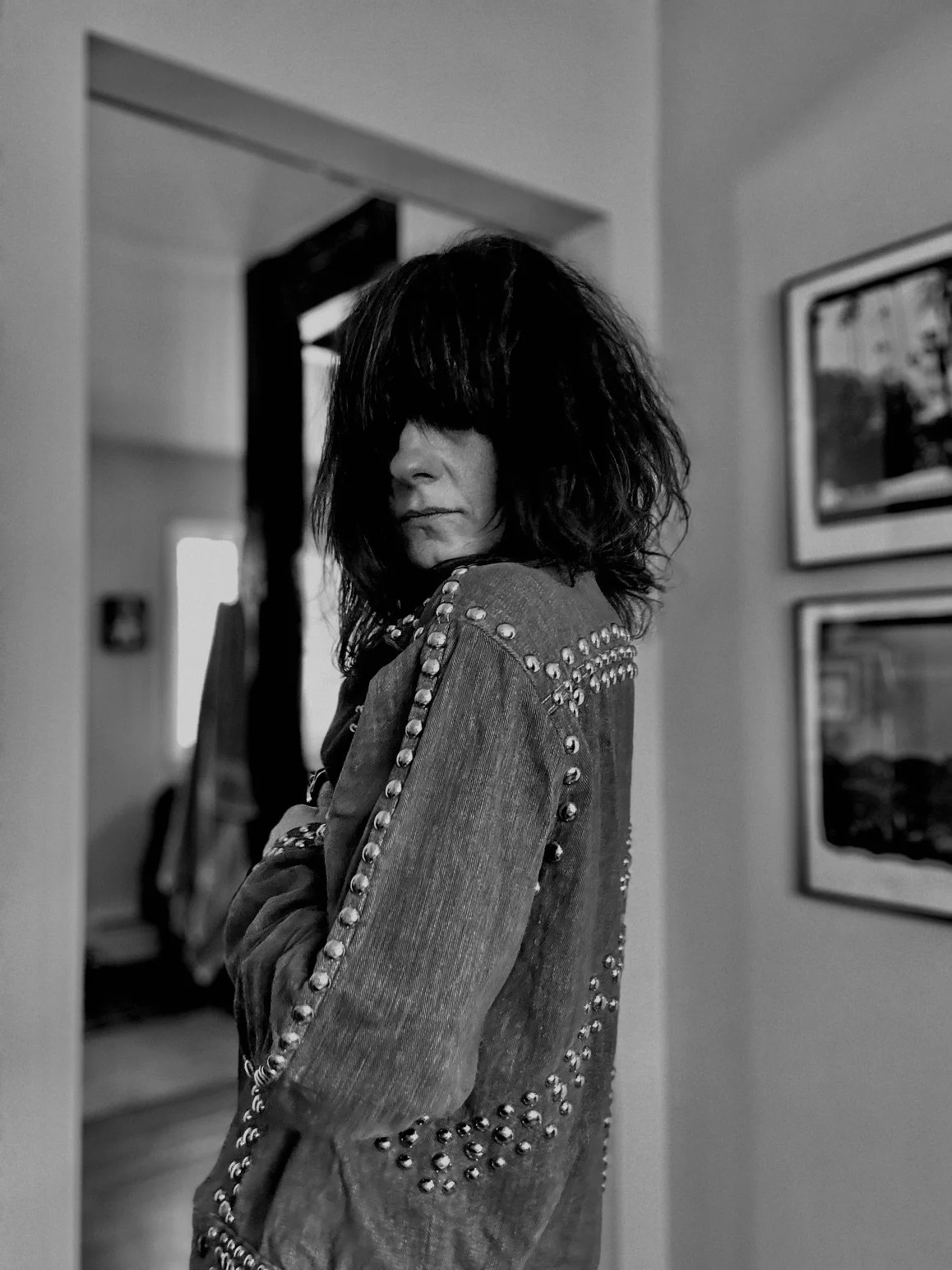
Meet The Photographer : Michael Hintlian
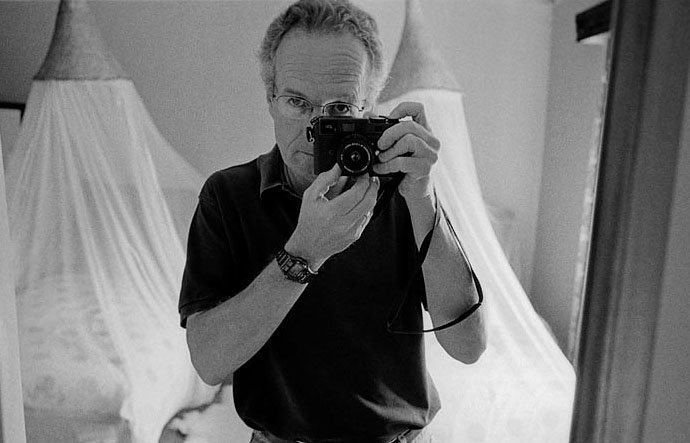
Michael Hintlian, Nairobi, 2003
MF: What sparked your interest in photography?
MH: My father was an enthusiastic amateur, he would develop his film in the kitchen sink after dinner. I loved the ceremony of it and the moment I saw his negatives come out of the fixer, it was over - I knew it was what I wanted to do. I remember it like it was yesterday.
MF: How do you overcome creative blocks?
MH: It's what comes with the territory, and I know blocks will pass. I simply go back to work and focus on that. There's no magic or mystery to it - work itself has me forget the thought of blocks.
MF: Which photographers have significantly influenced your artistic vision, and how can you see their impact on your work?
MH: There are many, including Lee Friedlander, Mark Ruwedel, Henry Wessel, Garry Winogrand, Diane Arbus, Bill Burke, and Bertien Van Manen. These artists set the bar and set it high, and I think about their work a lot.
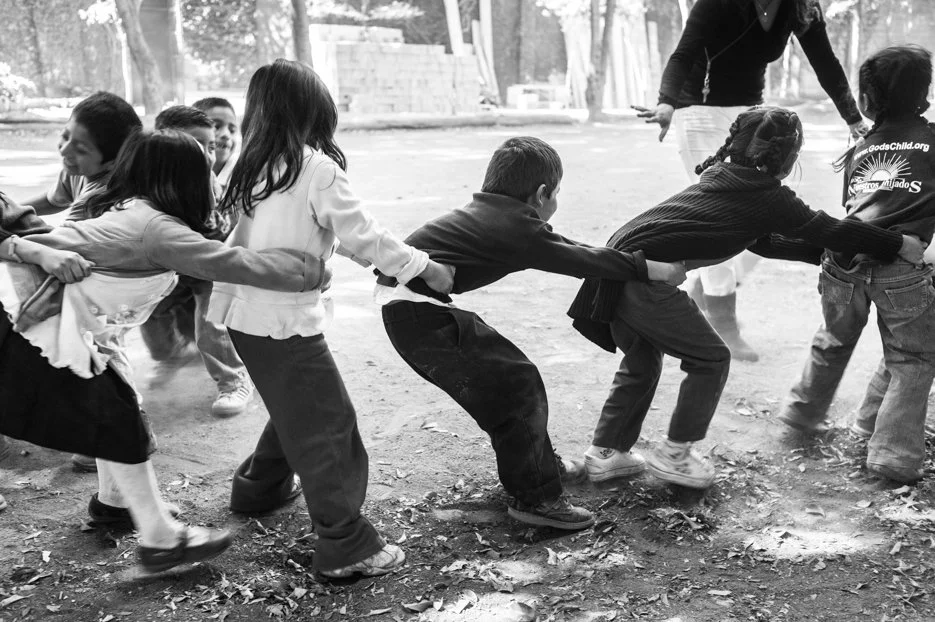
San Isidro, Guatemala, 2011 © Michael Hintlian
MF: Who are the top 3 bands/artists currently on your music playlist?
MH: Wayne Shorter, the KKJZ radio app (a Los Angeles jazz station), and an audiobook on the Vietnam War.
MF: Name 3 of your favorite books on photography.
MH: 1964 by Garry Winogrand, All Zones Off Peak by Tom Wood, and A Hundred Summers, A Hundred Winters by Bertien Van Manen.
MF: What gear do you use?
MH: I work with Leica M cameras and lenses.
MF: Any plans to publish a book? If so, tell us more about it.
MH: Yes. I'm currently working on a body of work from pictures I've made over the past 8-9 years. The edit is now in the sequence and selection stage, and I've made several book maquettes to show around. I'm actively seeking a publisher.
MF: What draws you specifically to street/documentary photography compared to other genres?
MH: I'm not entirely sure what draws me to it, but I cannot get enough of it. It's the coolest thing.
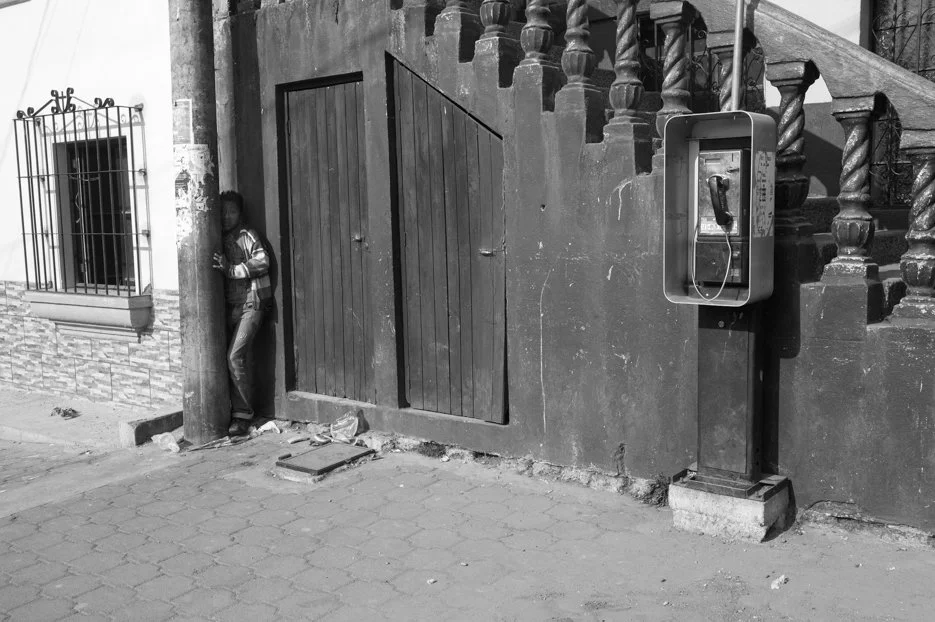
Escuintla, Guatemala, 2013 © Michael Hintlian
MF: How would you describe your unique style in street/documentary photography?
MH: I don't operate around a specific style. I work in an established way with simple tools - on the street with a camera. I'm interested in anything that catches my eye. It's random, unpredictable, and would be nearly impossible to corral into a set of thematic qualities. My work is almost entirely a response to the seen world in the present moment with a camera.
MF: What are the key aspects of a great street photograph for you?
MH: In no particular order: ambiguity, a sense of tension or incompleteness, surprise, and a feeling that when viewed, the moment is happening again - what author Geoff Dyer called "the ongoing moment."
MF: Are there any specific themes or areas you'd like to explore further in your street/documentary photography?
MH: In my most recent work, I've been photographing in more free and loose way and have become fascinated with the pace of the sun-washed streets and environments of the Southwest - notably Los Angeles and Las Vegas. There are no themes beyond what all of this looks like and what it could possibly mean. For the future I am looking at working with different tools in another part of the country where it is less urban and the pace slower. We’ll see.
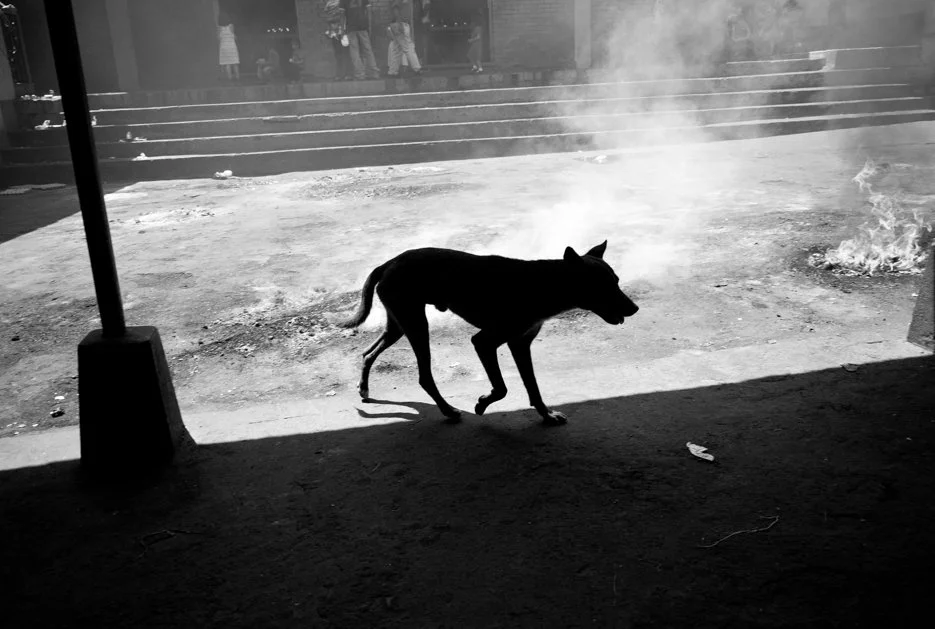
San Andres Itzapa I, Guatemala, 2008 © Michael Hintlian
10% of select print sales are donated to the ASPCA