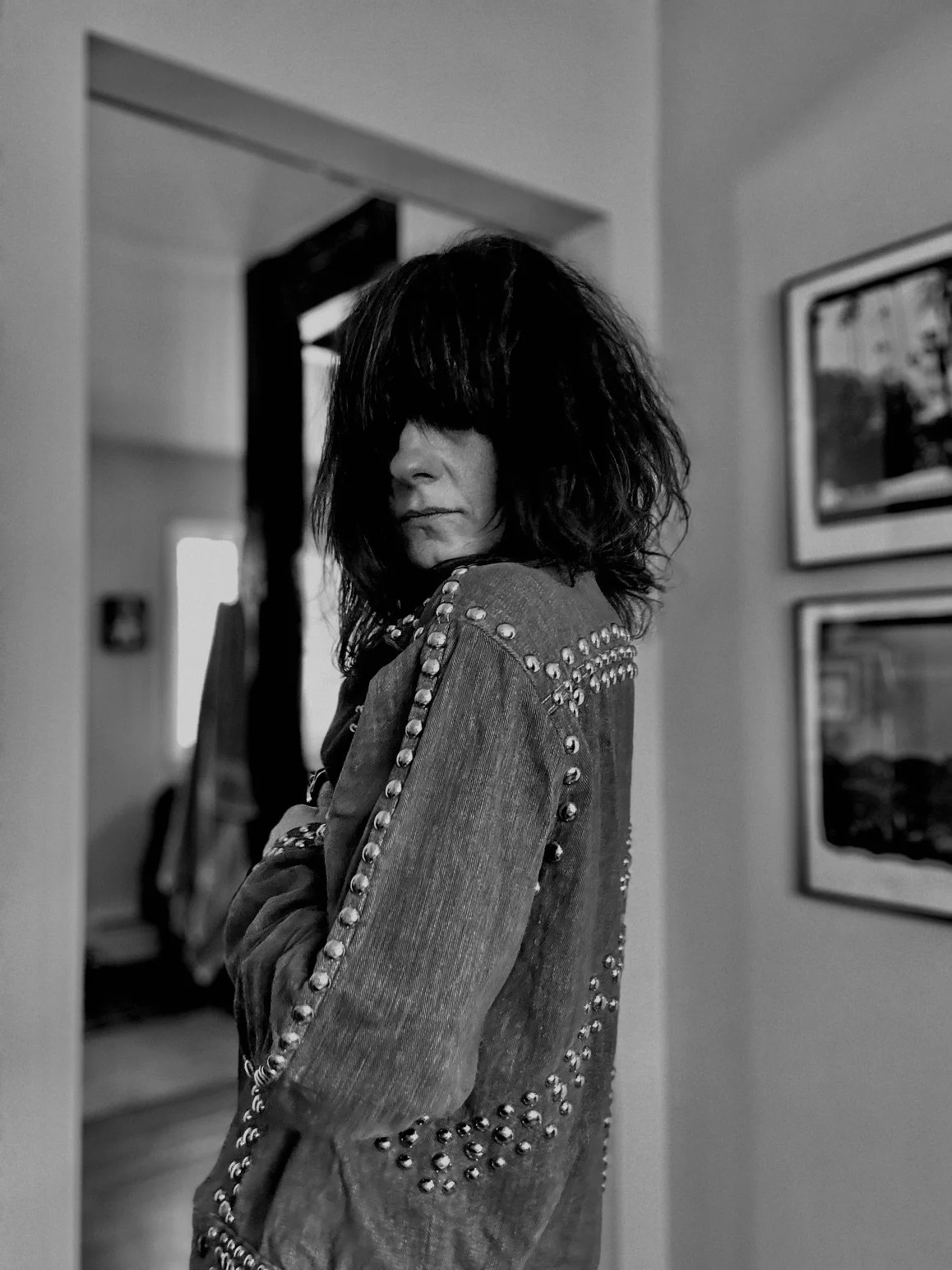
Meet The Photographer :: Patrick D. Pagnano
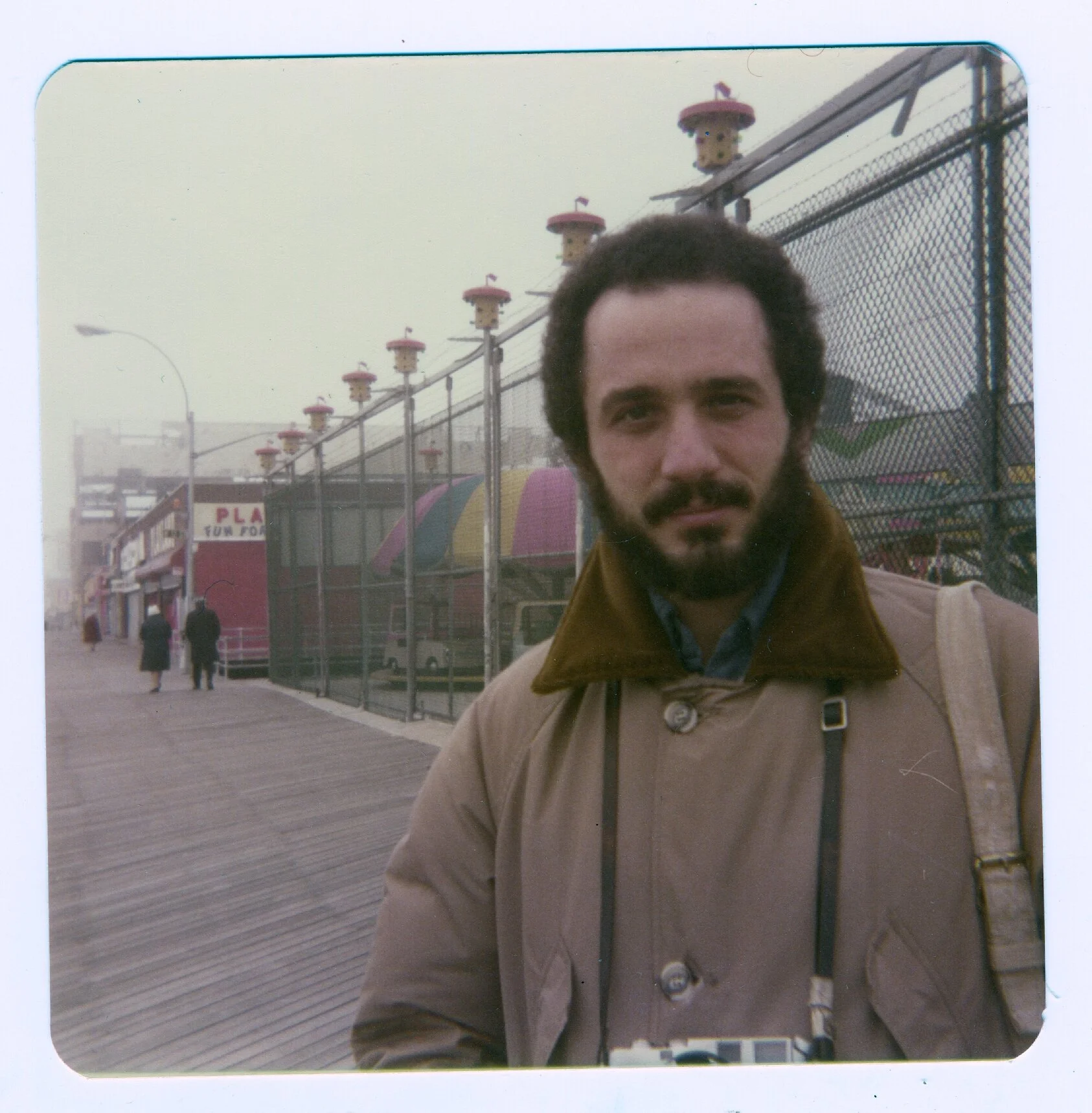
Patrick D. Pagnano, Coney Island, New York, 1970s
PATRICK D. PAGNANO (1947-2018) INTERVIEW
“This curiosity of how people existed and acted within an environment led to long trips to Europe and eventually a move to New York in 1974—the ultimate street city—and the beginning of a long involvement with street shooting and a career as an assignment photographer. However, my life as a street photographer was always paramount.”
— Patrick D. Pagnano
The MF Gallery Founder and Director, Meredith Fleischer, had the opportunity to speak with Patrick Pagnano’s wife, Kari Pagnano and nephew, Brian Greenenwald, exploring how he viewed the world and what inspired his photography. They discussed his distinctive approach to capturing life on the streets, the transition in his work from black-and-white to color, and the moments of insight that shaped his artistic vision. Through their stories, Meredith was able to share a sense of Patrick’s curiosity, perspective, and creativity that continue to resonate through his work today.
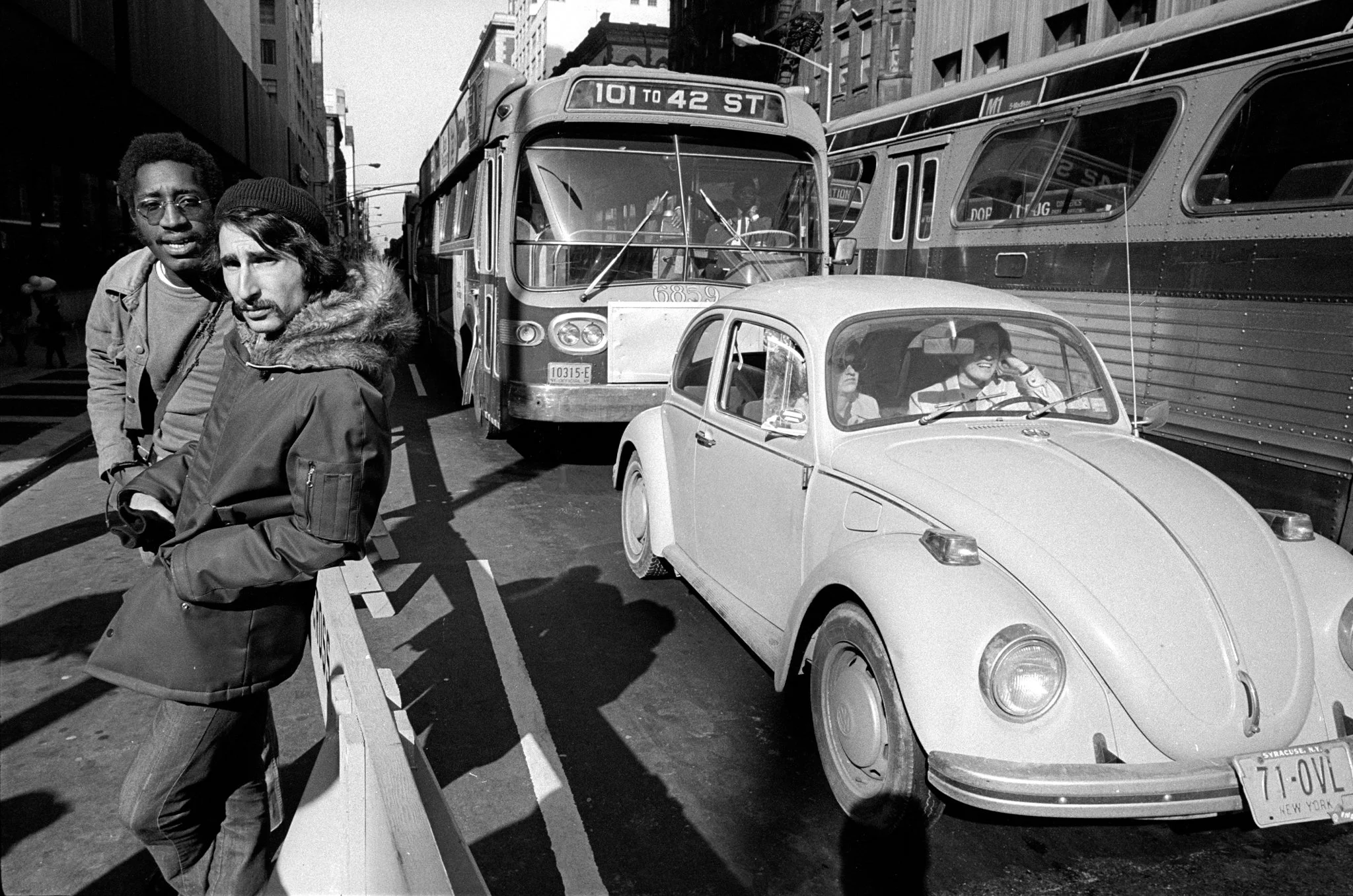
101 to 42nd St, New York, NY, 1975 © Patrick D. Pagnano
MF: What was Pat looking for in a great picture?
BG: : Pat considered himself a social realist. He was interested in the narrative — telling a story. People were always the most important element in his photographs and he was able to intuitively fill his frame with information captured in a fraction of a second.
“All ethnic, social and economic classes are fascinating subjects to me. I have no grand scheme when I photograph on the streets. I am guided by my instincts, approaching my subject, shooting a frame or two and moving on. I am careful not to impose my presence on the situation, not wanting to alter the moment I initially reacted to.” — Patrick D. Pagnano
BG: : Maintaining the quiet dignity of the people he photographed was important to Patrick. He did not want to turn his subject matter into caricatures. He was not interested in shock value. His observations are not stereotypical posturing, but more subtle revelations of personal and universal traits. They are layered and complex and need time to absorb. He was interested in the viewer’s interpretation of his images, rather than telling them what to think or feel.
“I do not want to demean, look down on, judge, ridicule or impose preconceived notions of what or who a person is,” he said. “I also use the environment and juxtapositions to enhance the narrative and reveal something of human nature or the ambiguity of the human condition. My goal is to capture what is the essence of their personality, often by very subtle body language or details in the way they choose to dress and present themselves.” — Patrick D. Pagnano

Passion in the park, New York, NY, 1975 © Patrick D. Pagnano
MF: What gear did Pat use?
BG: : The overwhelming majority of Pat’s personal photographs were shot with a Leica. It was his constant companion. He loved how the camera handled and how it felt in his hand. He favored the Leica M3 and M4 with their clear viewfinders, but he also used other classic Leica rangefinder cameras.
Patrick preferred natural lighting, but used his studio strobes when necessary. For instance, shooting in the Brooklyn Roller Dome, a very dark venue with skaters in constant motion, lights were essential.
Commercially Pat used Nikons and Canons.
Pat’s wife Kari related an interesting story to me about his first commercial job in New York City for a business magazine. He walked into the office of the executive he was hired to photograph. The writer, who was already there, was stunned when he arrived carrying just a Leica in his hand and no lighting equipment. She was worried. He placed the subject near a window and clicked away. The results were stunning and the art director continued to give him work.
His focus had always been his fine art photography, so he was initially a novice when it came to commercial work. He eventually added strobe lights, flood lights, umbrellas and other necessary gear.
Patrick shot for CBS, HBO, Fortune, Forbes, Financial World and Business Week — to name a few.
“This was a perfect pairing. I could shoot an assignment in a few hours and get right back on the street."
— Patrick D. Pagnano
MF: How would Pat describe his unique style in street photography?
BG: Pat described his work as a “stream of consciousness.” He loved wandering the streets and he was out there almost every day. His reaction to a situation was quick and intuitive. A visual clue would present itself and his camera was up to his eye in an instant and back down again in a seamless movement. His insight and perception were remarkable.
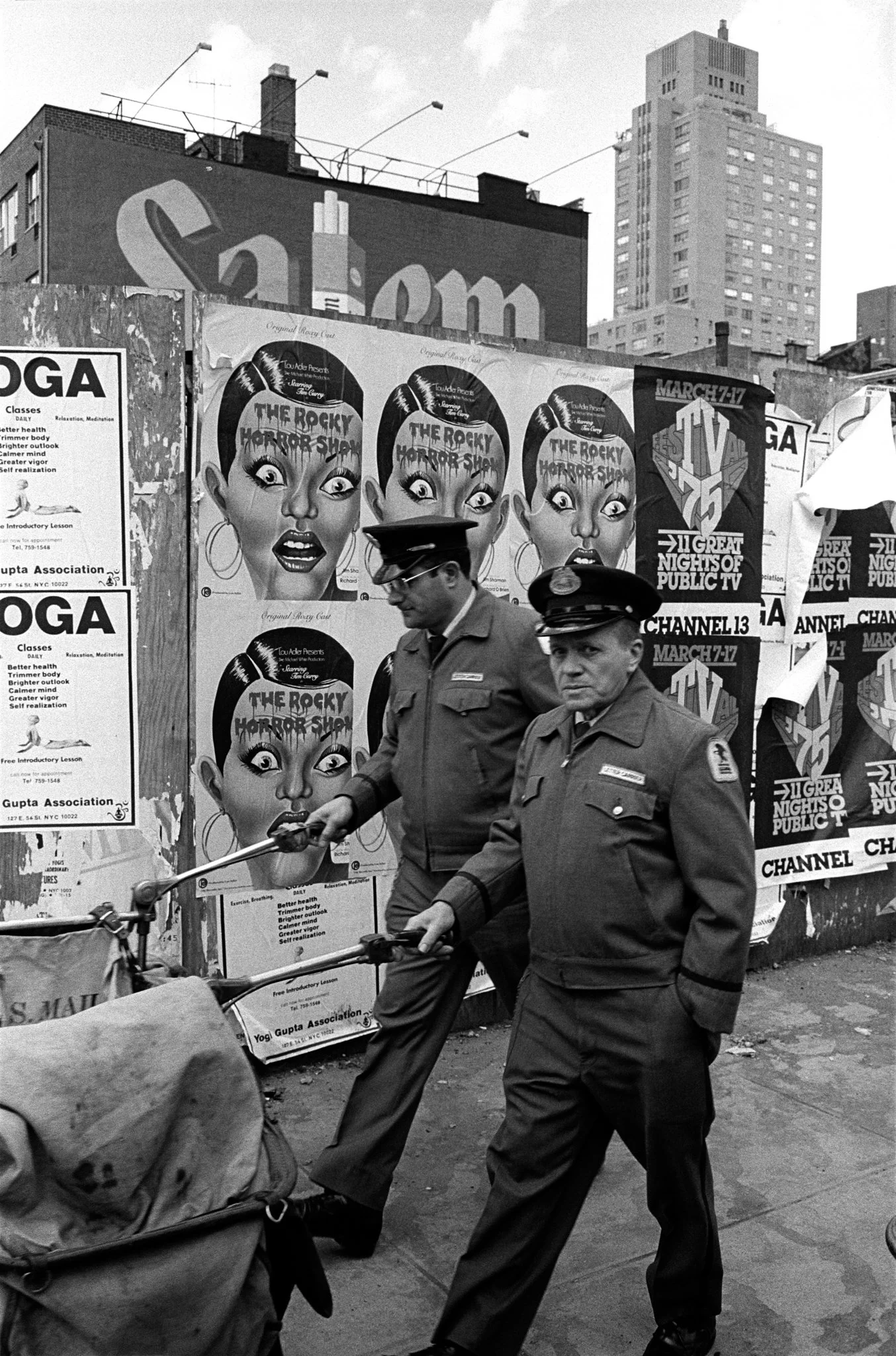
Postmen, New York, NY, 1975 © Patrick D. Pagnano
TRANSITION TO COLOR
“In 1976 I switched to color negative film because I wanted to add another descriptive dimension and explore the psychological symbolism that color could bring to the narrative. My book “Shot on the Street” is a compilation of a selection of this work.”
— Patrick D. Pagnano
MF: When did Pat transition to color?
BG: When Pat transitioned to photographing in color, he preferred film to chrome. He felt it gave him more latitude in the shadows and highlights. He also liked the less saturated colors that film afforded him. His color images are filled with color, but they are muted and subtle.
In his later years, Pat felt he was done exploring the possibilities of the street and could take it no further.
Although he turned his attention to painting, he never stopped photographing and began to use various digital cameras for conceptual works.

Runway Ready, Sidewalk Edition., New York, NY, 1978 © Patrick D. Pagnano
“I attribute his palette to the influence of the soft colors of Italian architecture and renaissance paintings.” — Kari Pagnano

Uptown Subway, New York, NY, 1978 © Patrick D. Pagnano
LEGACY AND FUTURE PLANS
MF: What is the current size and scope of Pat’s archive?
BG: In 2023, the majority of Pat’s photographs, prints and contact sheets were moved from upstate New York to the Chicago suburbs, so that I could continue his legacy. His commercial work, featuring his work for CBS and other freelance assignments have since been donated to the Briscoe Center for American History at the University of Texas- Austin. I am currently maintaining the bulk of my uncle Patrick’s photographic archives. There are over 5,000 rolls of negatives, which includes both black and white and color of street photography. In addition, there are close to 1,000 vintage prints that Pat printed during his lifetime.
MF: Do you organize educational programs or workshops related to Pat’s work?
BG: Since Pat’s death in 2018, there are no current plans for workshops or educational programs related to his work.
MF: Are there any plans to publish new books or collections of Pat’s work?
BG: There are no immediate plans to publish new books of Pat’s work.
When I moved my uncle’s archives - with tremendous help from my wife Allyson, to the Chicago area, my goal was simple. I wanted Pat’s work to be seen. I set up an Instagram site to showcase his work and have had such positive response and his following continues to grow.
We have been fortunate that Pat’s book Empire Roller Disco published by Anthology Editions was released April 4, 2023, and a show featuring prints from that series were on exhibit at the Ace Hotel in Brooklyn, New York. That same book, Empire Roller Disco, was featured as a part of the On the Shelf exhibit at Filter Photo in Chicago. I continue to try expose his work through various venues.
A sizable number of his Empire Roller Disco series is part of the ART IN EMBASSIES EXHIBITION in Warsaw, Poland, which includes a catalog, and I continue to receive requests for his work to be featured in book compilations.
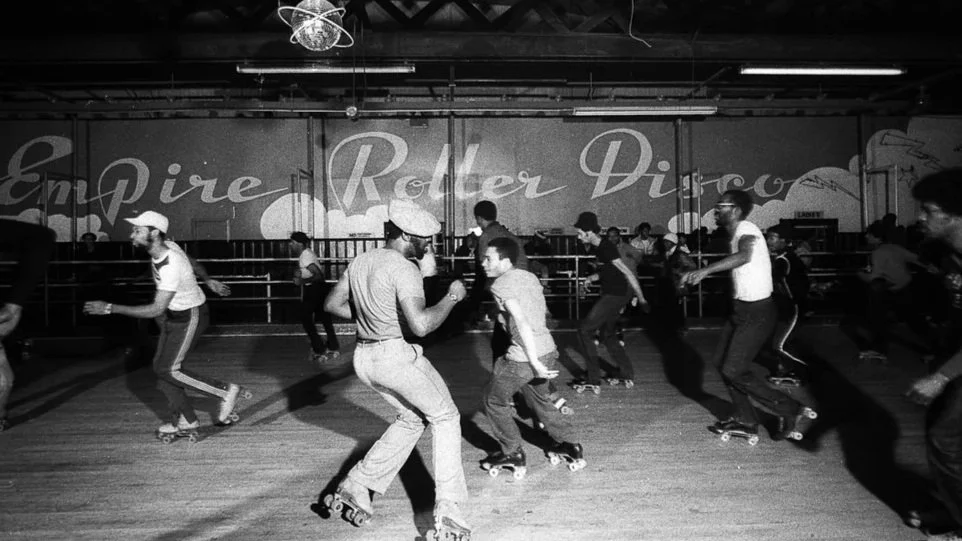
Empire Roller Disco (R316), Brooklyn, NY, 1980 © Patrick D. Pagnano