Meet The Photographer :: Leigh Ann Edmonds
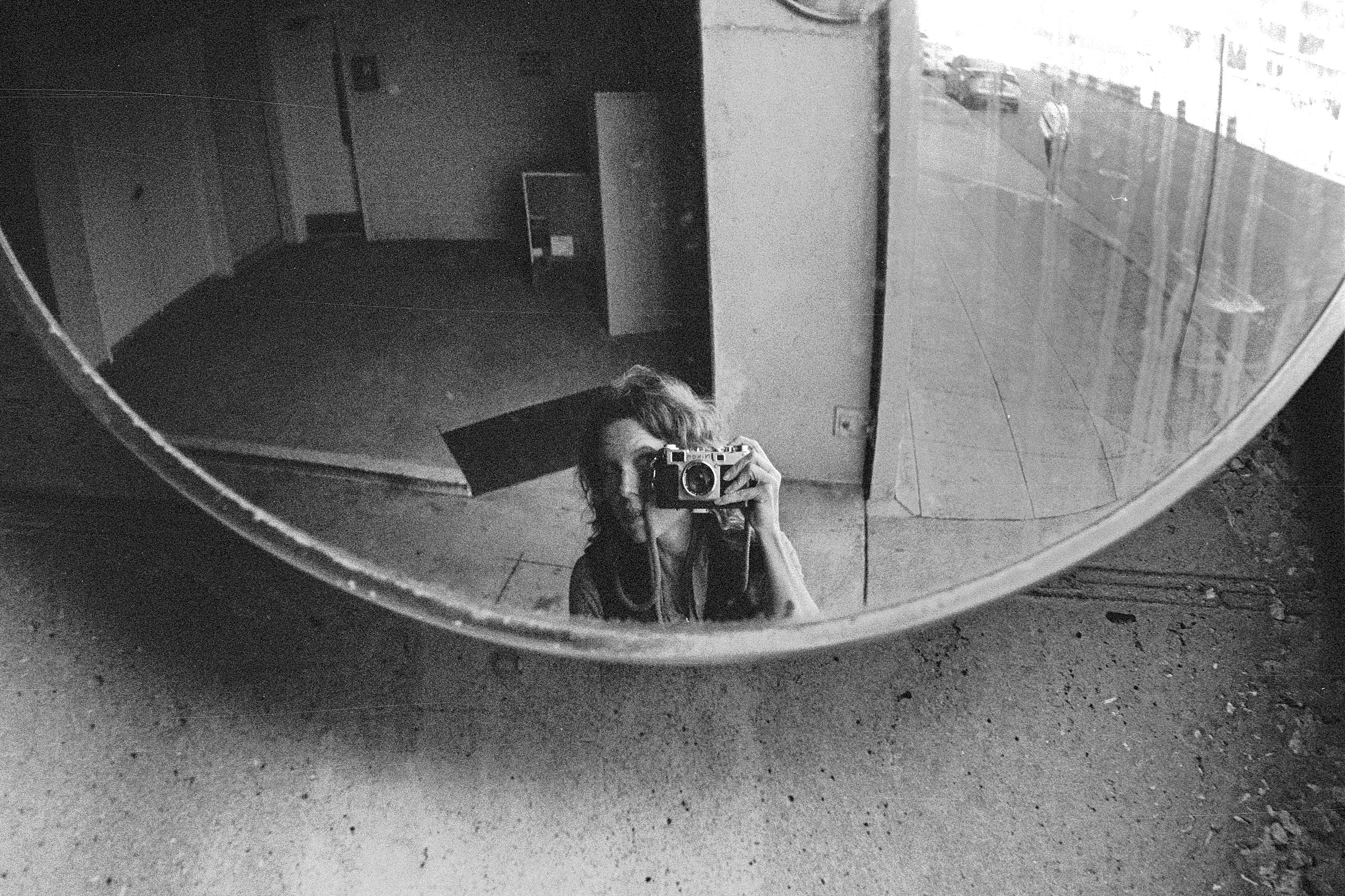
Leigh Ann Edmonds, Self-portrait, 2024
MF: What sparked your initial interest in photography?
LAE: As a child, I was always very active in art classes and painted up until I discovered photography in 1994 with the gift of a puppy. I think the reason why photography resonated with me more than painting is because I loved exploring outdoors with my dog and capturing these places to share with others my experiences. Painting was more about sitting with your thoughts and it came from an internal place of creating whereas photography for me was in constant motion out in the real world, interacting and learning about other ways of life and being able to return and share your adventure with others.
MF: Is there a core message or feeling you want people to walk away with after viewing your collection?
LAE: The main message I hope others will take from my images will be the message of connection. Connecting to other ways of being and living, connecting to what it means to be human, to bring a better understanding of the world we live in, to relate or learn from the places and people I document. My work is about life and how the photographs will transcend into future generations so others can learn and relate to today's world we live in.
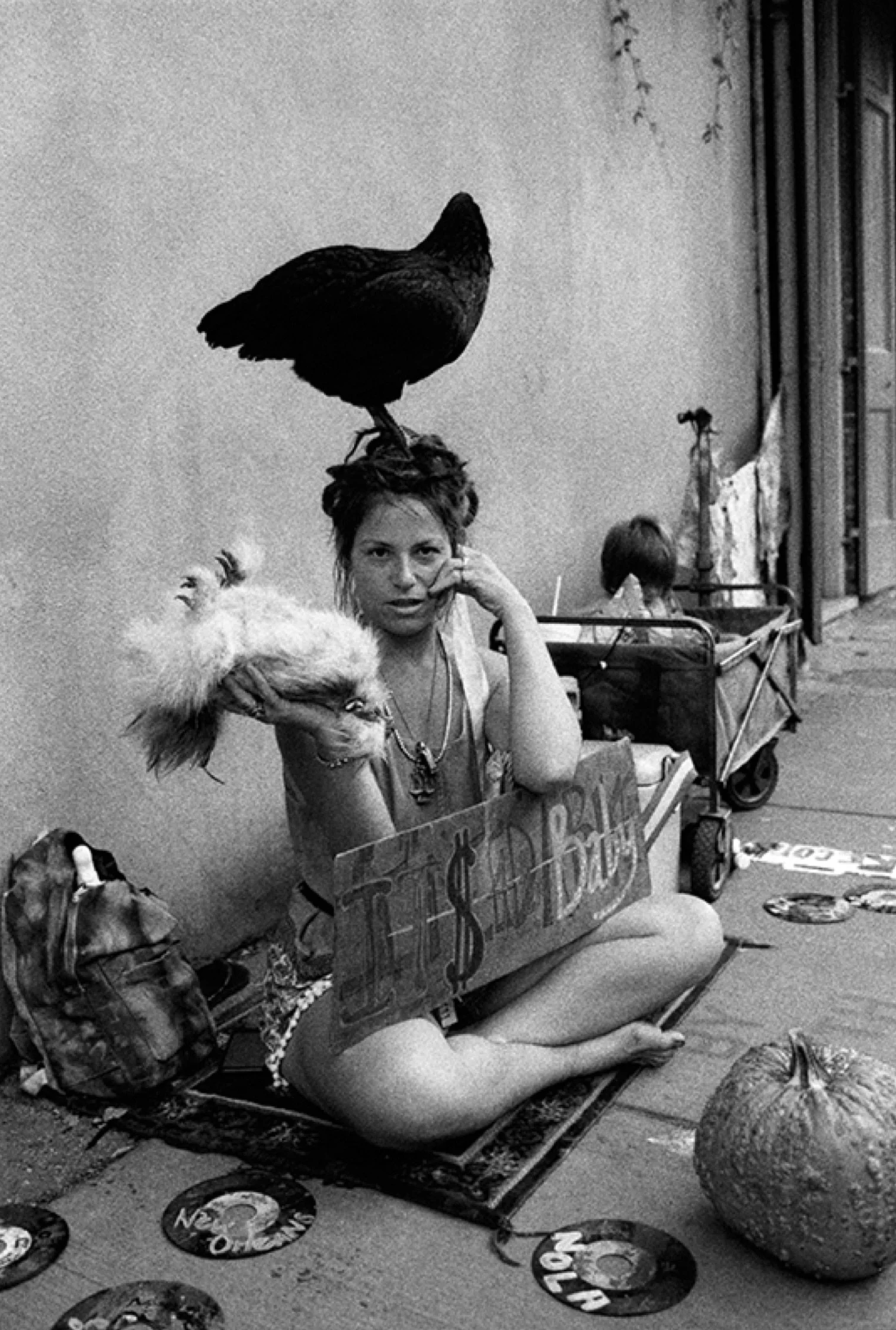
Chicken Voodoo, New Orleans, LA, 2022 © Leigh Ann Edmonds
MF: Do you prefer working with digital or film, and what does that medium bring out in your process?
LAE: Although I do shoot both digital and film, I most connect to the process of film because of its simplicity. Digital encourages editing and it is too tempting to alter the reality of what was originally captured. There are too many options with digital. I work best with limitations and feel that film is more straightforward with my vision and intent when I go to pick up a camera.
Shooting film slows me down, helps me practice the art of patience and control. Also, film will always be the same. I can still access my negatives from 20 years ago without worry about files changing or software upgrades. So, the process is the same as when I learned how to shoot film, where as digital is always seeking to update and it becomes more about the technology than the shooting for me.. And I'm more about the shooting than the technology.
MF: What camera body and lens setup do you find yourself reaching for most often?
LAE: I am always reaching for anything under 50mm. Shooting with a wide angle allows me to actively engage and participate in the scene. If I feel too far removed, it's harder for me to feel a moment and connect with it. The camera bodies I most shoot with are older cameras that have been gifted to me over the years that people don't want or have a need for. I have never been interested in the technology of photography, which can be frowned upon, but my mind doesn't work that way. I see moments and make whatever camera I have available to shoot wherever I am. I adjust my perspective to the gear I have rather than adjust my gear to what I think I need to be shooting.
People fall trap into the camera upgrades. So many photographers are feeling the pressure to shoot mirrorless and look through a digital screen rather than a viewfinder. I've never felt the need to upgrade my gear until it breaks.
MF: What is a frame or moment you decided not to take, and why has it stuck with you?
LAE: You know what is funny about shooting is I remember most all the moments I miss more than the moments I capture. The one moment that has stayed with me the longest was when I was just starting out shooting more documentary/street about 20 years back. A family had been at the beach all day, the child was crying as they washed her off at the showers and they looked exhausted. I wanted to grab that moment because it told a story for me; the family, the location, the lighting.. All the elements lined up but I was scared, so I didn't do anything about it.
The anxiety still exists for me today when I go out to document everyday life, but I've learned to better control it and how to set up quickly for a shot without fumbling around on the controls and focus. This is another reason why I never upgrade my gear; I need to know my camera like the palm of my hand so I don't have to think about shooting.
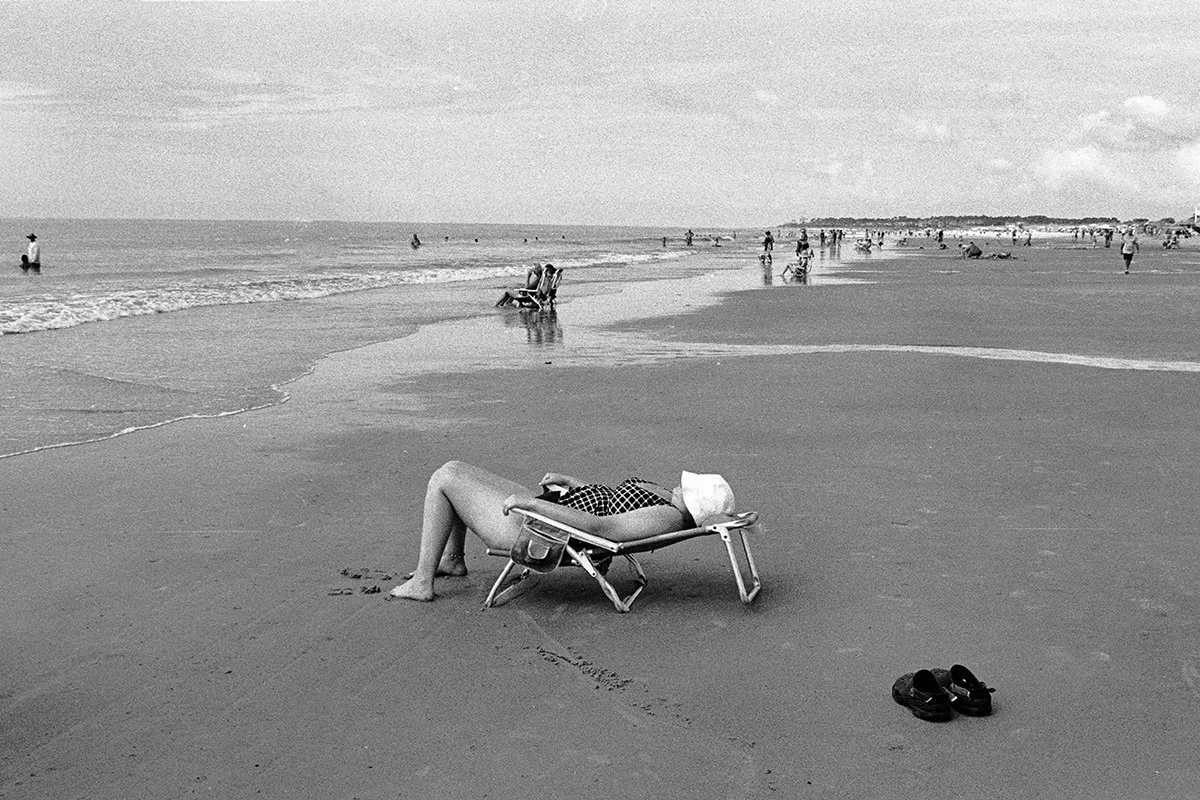
Sunbather. Hilton Head, SC, 2024 © Leigh Ann Edmonds
MF: What are the key elements of a great street photograph for you?
LAE: In order for someone's image to stand out to me, it must first hold my interest and grab my attention. I almost always notice the lighting first in someone's photograph and then I look a little longer if there is movement within the composition. If it has a nice flow and balance within the frame with a narrative, a hidden message or story within the image that connects me to a moment or individual.
MF: Documentary photography often requires patient observation rather than orchestration. How do you build trust with your subjects or environment to capture real, unposed moments?
LAE: Building trust takes time. I often want others to see me for a while with my camera before I start using it. I have found that actively participating wherever you want to shoot is the best way to blend in. It is about allowing others to forget the camera is there. It's about being in the moment, not being weighed down with a camera bag, two cameras and several lenses. One camera, one lens tends to do the trick for me.
MF: Is there a specific story or subject you’ve documented that left a lasting personal impact on you? What made that experience so significant?
LAE: I returned to my small hometown in Alabama back in 2012. Before then I had lived in a handful of different cities and traveled extensively. I was removed from my small hometown, so when I returned, the veil had been lifted and I noticed so many intricate details that I had never noticed before. So, I started documenting the locals. This process of documenting where I live truly opened up access to so many people I would have never met or connected with. It allowed me to live like a tourist in my hometown and truly appreciate where I live. Whereas in the past, I always looked to move away. Documenting where I live allowed me to find community and belonging in a place where I once felt disconnected and removed from.

Riders Watch, Warrior, AL, 2026 © Leigh Ann Edmonds
MF: How much of your process relies on sitting back and waiting for the moment to unfold versus actively anticipating and chasing the action?
LAE: I am a firm believer of photography being the act of creating and connecting to the energy of others. It's all an intuitive process for me. I feel this is what makes documentary and street photography all the more rewarding. It reminds you that life is serendipitous and it brings out the magic of everyday life when you can capture the small intertwined unplanned connections that we all share.
MF: Documentary work often lives in the subtle details most people walk right past. What small element or nuance in a scene usually catches your eye first?
LAE: If I am in a crowded space, I am almost always drawn to the quiet and hidden moments away from the action. I feel it is during this time that allows me to witness the unguarded moments of someone in a public space. It reveals a part of who they are without invading privacy. We all put on a public face and are guarded most of our day, so these small moments allow me to practice the art of connecting to people without anyone knowing I've connected with them and this allows me to see people in a very human way.
It's about seeing each person as an individual with a life and purpose, not a number or shape in a frame.