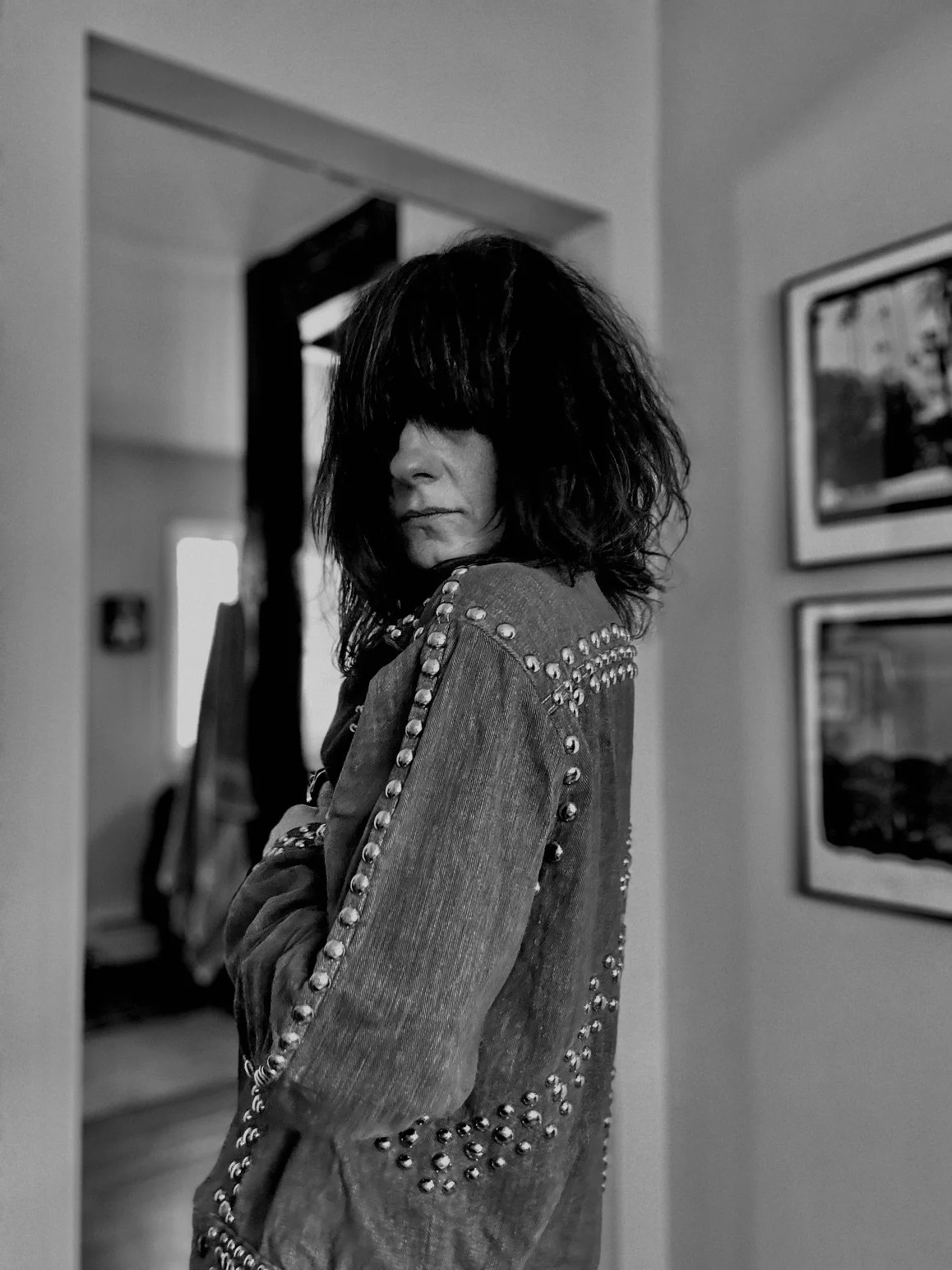
The Barrier and The Bridge
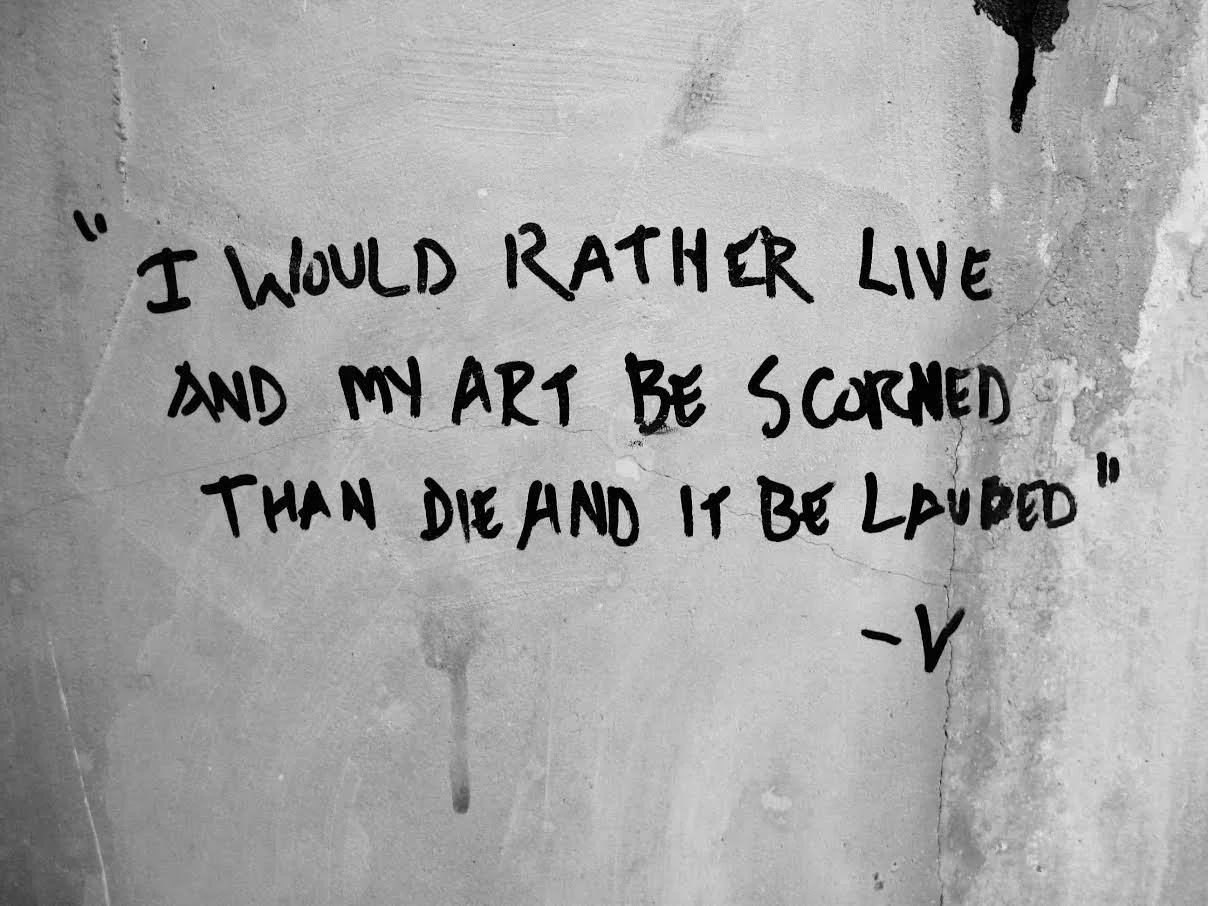
New York City, c. 2010–2011
Photograph by Meredith Fleischer
At an intensity most people cannot fathom, observation is not a technique; it is a way of inhabiting the world. To look deeply is to enter a state of stillness that modern, transactional photography actively works against. Modern image-making functions largely as a recording tool, rapidly gathering visual tokens to document presence before rushing toward the next stimulus. Click the shutter, tap a phone screen, move on. The moment becomes disposable: fast, frictionless, and executed without thought.
This superficiality is not merely a modern invention brought on by digital speed. Even throughout the twentieth century, much celebrated photography relied on mechanics of chance rather than genuine presence. The revered masters often operated behind a numbers game, standing perpetually behind the lens, hunting for "the decisive moment" through volume and spatial luck. For many, the camera functioned as a shield, an objective filter placed between the artist and the world to enforce distance. They saw, but they did not necessarily feel. They orchestrated framing, lighting, and geometric luck, but the camera remained a barrier keeping the raw emotional weight of the environment at arm's length.
"To see and to feel simultaneously requires burning that barrier away. It demands converting the camera from a shield into a bridge."
True observation cannot exist in a crowd, nor can it survive the mental noise of social obligation. It demands complete solitude, or at most, the silent, non-demanding companionship of a loyal dog like Strummer. Being alone is not a flaw or a social withdrawal; it is a deliberate, operational choice. Solitude silences the internal narrator that feels compelled to entertain, explain, or keep pace with others. It clears the bandwidth required to let a scene reveal its subtle shifts in light, atmosphere, and form.
When you sit in that quiet, unhurried space, the photograph ceases to be the goal. The experience itself becomes the point. You absorb the sensory weight of the landscape, the temper of the air, and the rhythm of a place long before reaching for a lens. Sometimes, the feeling is so complete that pressing the shutter feels unnecessary, almost intrusive.
When a photograph is taken from this state of presence, it is never an act of "getting lucky." It is not a random alignment of shapes caught by a high-speed shutter. It is the natural, inevitable byproduct of a deep interaction with the world: a physical record of an emotional connection that had already taken root long before the shutter ever moved.